
In the context of the current global tourism recovery, suitcases are no longer just containers for clothes and belongings, but have become fashionable mobile items and extensions of personal taste. From social media influencers sharing their products to best-selling lists on e-commerce platforms, we can’t help but wonder: why do seemingly similar suitcases on the market keep becoming “hot items” one after another?
There’s a common underlying logic: material differentiation leads to differentiated customer needs, and these differentiated needs create a suitable market and a chance for each material to become a bestseller.
As a bag factory with 24 years of experience in the bag industry, we know that the difference between good and bad materials lies not in the quality of the materials themselves, but in the differentiation of market positioning.
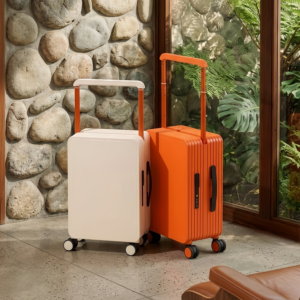
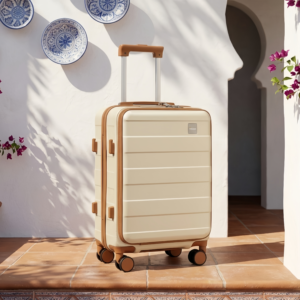
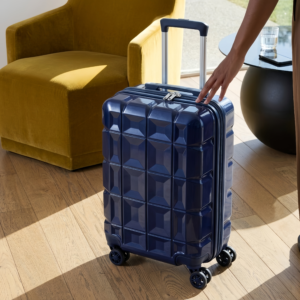
I.why can “all materials have best-selling products”? Because the market is never singular
In many industries, product materials tend to follow a certain “mainstream configuration,” but the luggage industry does the opposite.
This is because travel itself is a highly personalized experience.
·Some people prioritize lightweight travel.
·Some prioritize aesthetic design.
·Some prioritize cost-effectiveness.
·Some value durability and shock resistance.
This differentiated demand has directly resulted in different materials having their own stable market space.
II. Materials: The Foundation of Product Differentiation
Different combinations of materials directly determine a product’s positioning, pricing power, and target audience.
- ABS and ABS+PC: Dominance in High Cost-Effectiveness
On major e-commerce platforms, the best-selling luggage materials are often ABS and ABS+PC composite materials.
- ABS: Its biggest advantage lies in cost control, making it the first choice for entry-level best-selling models. ABS has extremely high hardness and impact resistance, excellent processing performance, and strong plasticity, resulting in a wide range of shapes.
- ABS+PC: Very common in the market, representing a balanced choice. Pure ABS is hard but brittle and prone to whitening after pressure; while ABS has good toughness but is expensive. ABS+PC, through composite technology, achieves a balance of rigidity and flexibility, allowing products to maintain durability while also possessing an excellent cost-effectiveness ratio.
- PC; a symbol of lightweight and high-end feel
- PC: Possessing extremely high toughness and excellent resilience, with a rich variety of surface finishes (matte, mirror, electroplating, etc.), popular products made from this material generally follow a minimalist and sophisticated design. PC suitcases with outstanding appearances tend to attract consumers more easily through visual appeal, leading to higher conversion rates.
- PP: A Rising Star Amidst Durability and Environmental Trends
- PP: With its inherent environmental friendliness and superior toughness, PP is gaining popularity as consumers increasingly value its long-term use and environmental impact. Especially among brand clients and in the mid-to-high-end market, PP is often considered a superior choice for durability.
- Aluminum-Magnesium Alloy: Industrial Aesthetics and Ultimate Protection
- Aluminum-magnesium alloy: Although it is not as heavy, its metallic luster and the premium feel created by its rivet structure are unmatched by other materials. Therefore, it has remained popular among fashion bloggers and high-end business professionals. Its differentiation lies in its visual impact.
- Fabric Suitcases: A Long-Term Category Driven by Functionality
· Fabric Suitcases: Although not a new material, fabric suitcases have consistently held a significant market share. Their core competitiveness lies in “functionality,” resulting in stable sales among specific customer groups. Features such as front pockets, expandable compartments, and multi-compartment designs perfectly meet the needs of business users.
III. How can material differentiation be transformed into product competitiveness?
A single material cannot guarantee a bestseller, but combining design and function will create a multiplier effect.
For example:
- PC + metallic color – high-end visual impact
- PP + minimalist design – enhanced brand image
- ABS + creative texture – increased premium pricing potential
- Fabric trunk + multiple pockets – strong functional selling point
Bestsellers often emerge from a sense of “value for money.”
When manufacturers improve material ratios to reduce costs while maintaining performance, they can offer better wheelsets, tie rods, and internal craftsmanship at the same price point. This conversion of material premium is the foundation for a product’s enduring success.
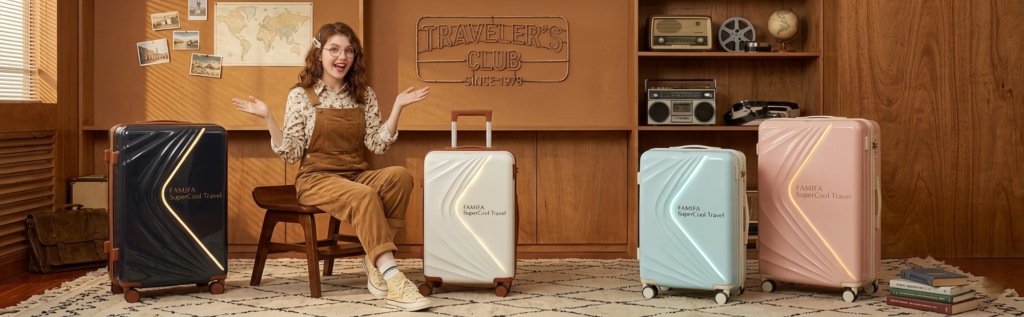
IV. How to use materials to create “blockbuster products”?
- Material combinations selected based on market demand: Different regions have significantly different needs.
- Create a series of products based on specific materials, rather than a single product.
- Emphasize material performance, such as: “This is lightweight,” “This is drop-resistant,” “This is inexpensive,” rather than material specifications.
- The visual style should match the materials.
V. Bestsellers Aren’t Accidental, But the Result of Matching Materials
The fact that suitcases made from any material can become bestsellers is essentially due to:
- Different materials cater to different consumer needs.
- Different products have different market focuses.
- Materials, design, and function create competitive differentiation.
Therefore, the most important thing is not “which material to choose,” but rather: using the right material to serve the right people.

